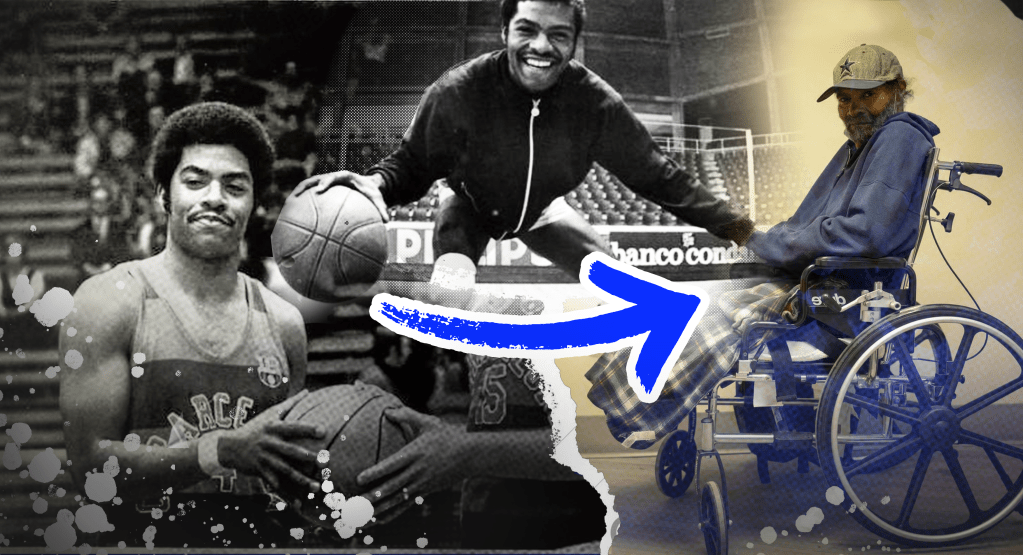
The true story of a player the basketball world believed dead for decades
“My last name is the same as that of the apostle Thomas, whose existence no one really knows for sure. Maybe that’s why I became a ghost.” Charles Thomas
It’s hard to stand out when you have two first names.
Charles Thomas. Open a phone book and you’ll find dozens.
Nickname: Black Panther. About as worn-out a nickname as you’ll find, straight from the bargain bin of sports monikers, recycled endlessly over the years.
And yet.
There is nothing ordinary about Charles Thomas. And we owe everything to one improbable phone call in 2021, placed by Thomas himself to a former teammate from his years in Catalonia.
Declared Dead, Very Much Alive
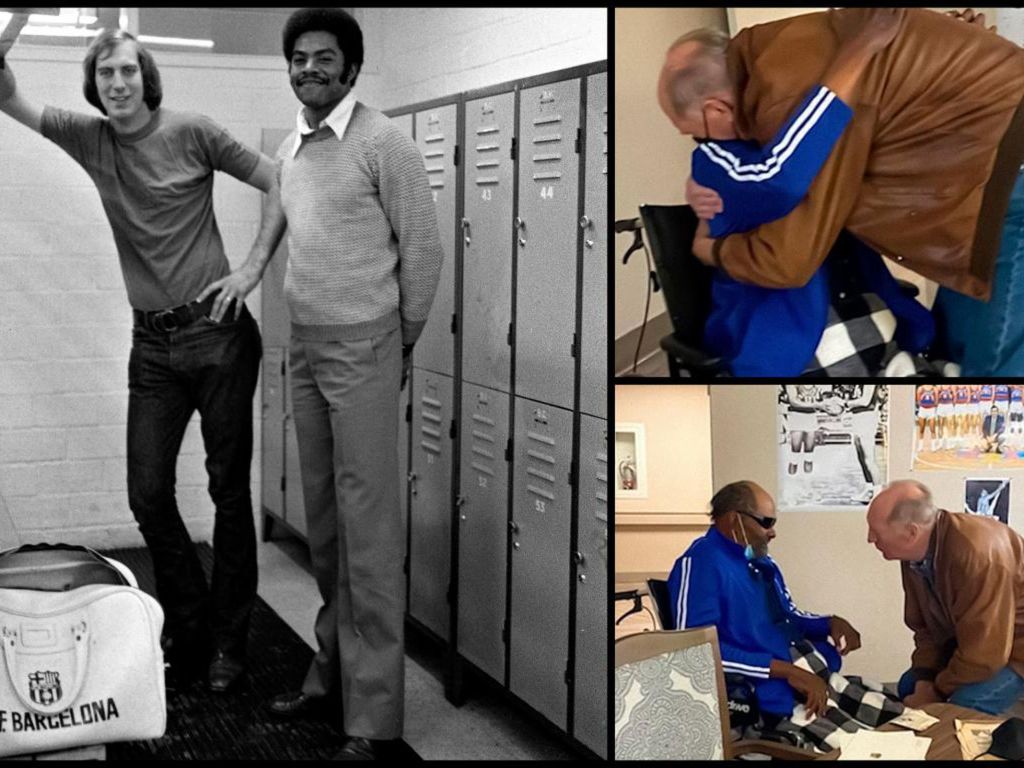
It was his former Barcelona teammate, Norman Carmichael, who revealed the truth in 2021. Thomas was alive. Long believed to be dead, he stunned Norman when he received a call from a nurse at a nursing home in Texas, saying that a man named Charles Thomas wanted to speak with him. The nursing staff had tracked Carmichael down online, finding his contact through social media:
“I was speechless when I saw his face on the call. I recognized him immediately by his smile and the way he spoke. He was calm. He wasn’t trying to convince me of who he was. He just wanted to talk.”
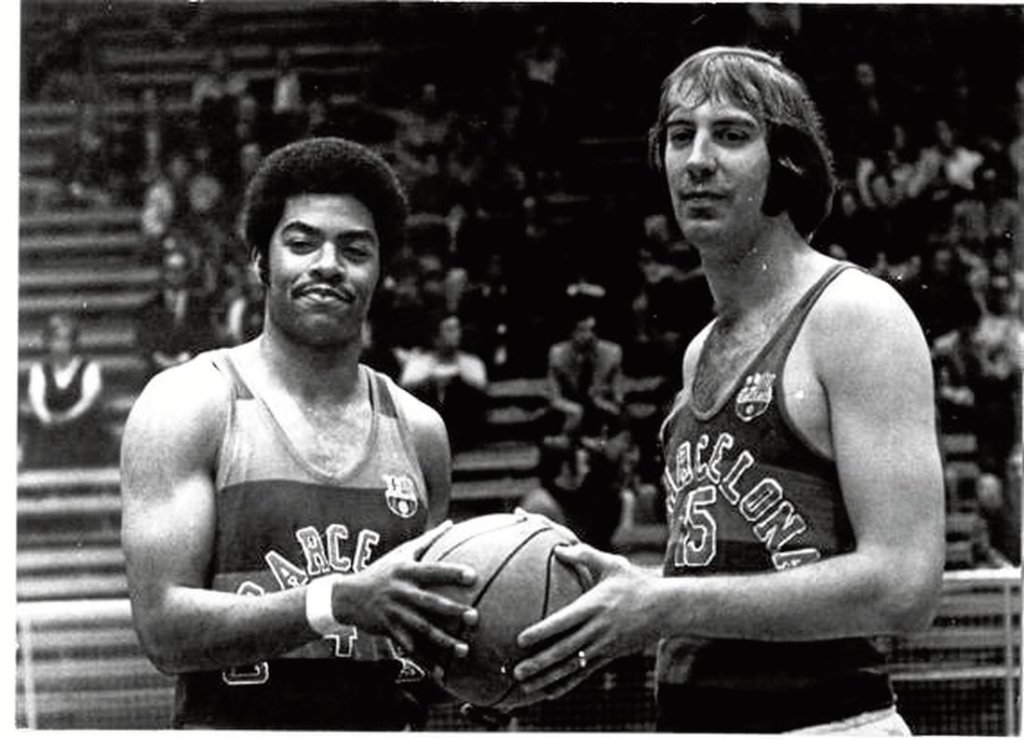
A Call From the Dead in Texas
For ten minutes, Thomas talked basketball with his old friend as if nothing had happened. He briefly mentioned his life after basketball, a bleak, unremarkable one, marked by crime, trafficking, and years of drifting.
Thomas had been living in the retirement home in Amarillo for four years. He had never contacted his family, whom he had long since abandoned. He had been married to Linda, with whom he had two sons, Carlos and Matson, before divorcing not long after leaving Barcelona in 1975.
The only person he reconnected with after forty years on the margins was Norman Carmichael. Carmichael, still in touch with one of Thomas’s sons, Carlos, called him immediately after hearing from the nurse. Carlos understandably doubted the story. Even after calling the home himself and speaking with his father for twenty minutes,he spent days making sure it wasn’t some kind of cruel joke. Thomas, for his part, brushed it all off:
“My friend Norman told me all these stories about my death. People like to talk. I never took drugs. All I ever did was smoke cigarettes.”
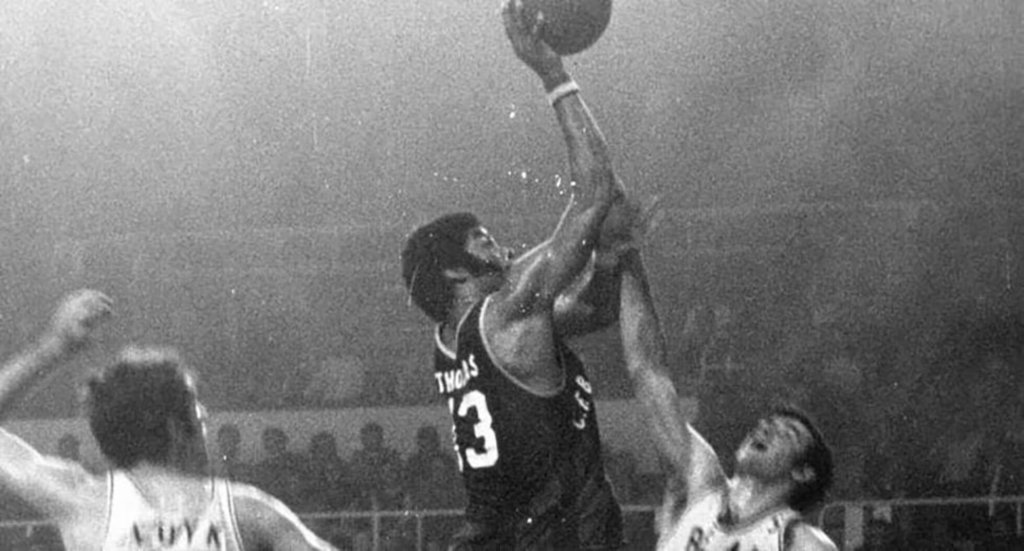
Barcelona’s Black Panther
Following this unlikely revelation, El País sent journalist David Marcial to the United States to meet and interview Charles Thomas.
While a complete unknown in the U.S., Thomas had made a mark on a rebuilding FC Barcelona team in the early 1970s, notably under head coach Ranko Žeravica.
One of the league’s first African-American players, he was a spectacular player, a prolific scorer who led the league in scoring twice, and helped popularize dunking in Spain. The Spanish press coined the nickname “Black Panther”. A relatively undersized center at 6-foot-7, who could also play power forward, he was described as explosive, quick off the floor, and unusually quick attacking the rim for that era.
A native of California, Thomas played four strong college seasons at Cal State Los Angeles with the Golden Eagles, a small Los Angeles program where he still holds the career rebounding record (1,025) and the single-season record (395).
Talented, but unwilling to put in the work in practice or take care of his body. Carmichael would later recall their years in Barcelona:
“He once told me he was born with a limited number of jumps in his body. He didn’t want to waste them in practice.”
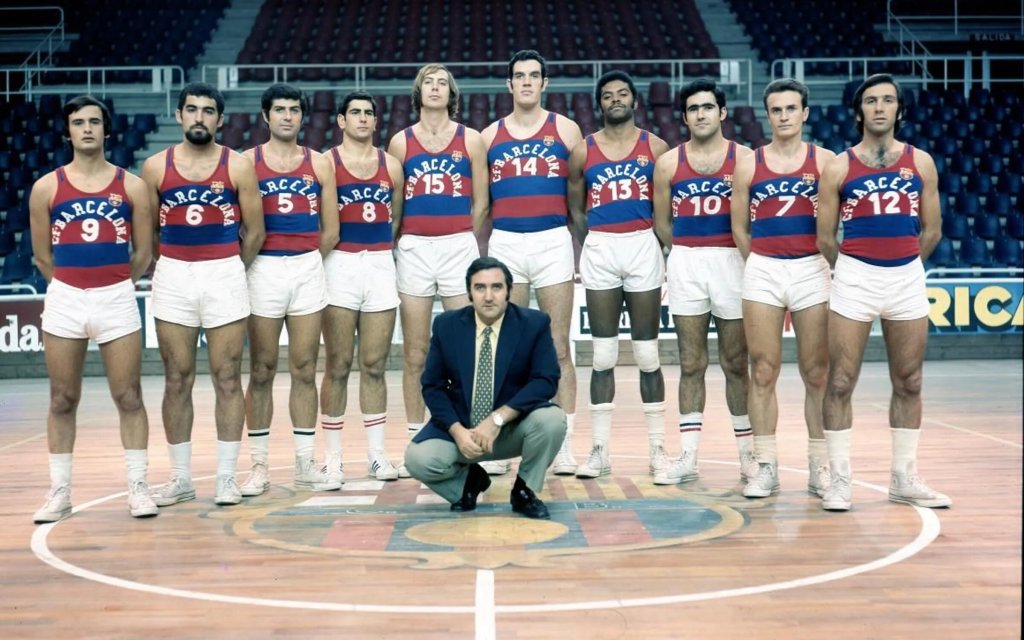
Arriving in Spain in 1968, Thomas enjoyed a strong start to his career, first with CB San Josep, then with Barcelona from 1971 onward. The Real Madrid dynasty still loomed over everyone at the time, but Thomas made his mark.
The Knee, the Fall, and the Vanishing
His final season in Barcelona took a turn for the worse. He tore his knee late in a game against Real Madrid after colliding with star center Clifford Luyk, who would later go on to coach the club. He never fully recovered. Coach Žeravica had little patience for Thomas’s lack of discipline, and Barcelona released him. Never one to hold back, Thomas later complained:
“The Yugoslav coach treated us like robots. I learned to play on neighborhood courts. I hated the idea of practicing twice a day. Morning and afternoon. You have to adapt. The body has an expiration date.”
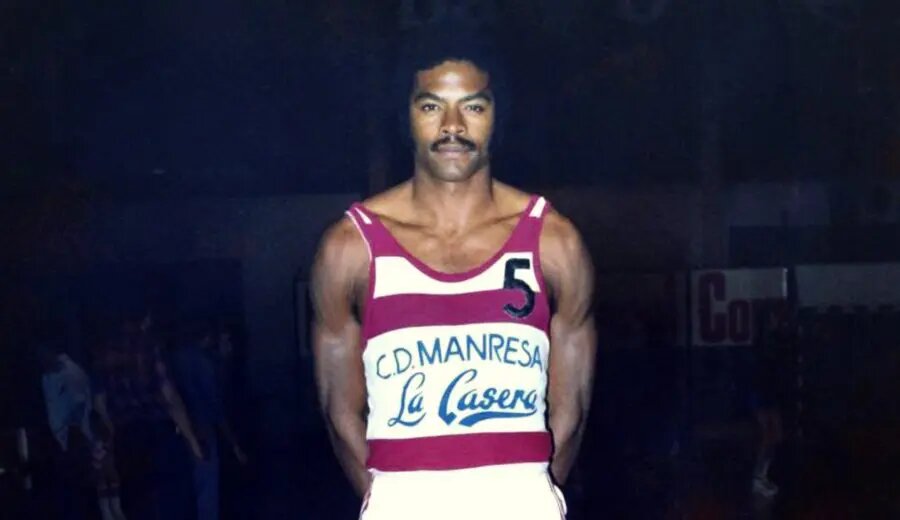
In 1975, after a full year of rehab work, Thomas made one last attempt in Spain with Manresa, a modest top-flight club near Barcelona. The team was average, Thomas was no longer himself, and he was seen more often in Catalan nightlife than at practice. His career in Spain ended after an arrest for drug trafficking in Ibiza. He was broke despite having signed a lucrative deal for the time. At 29, he retired from basketball and returned to the United States.
But not to his family.
No one knew where he was. Some claimed to have seen him in Mexico, others in New York. Rumors spread quickly: overdose, a fatal drug deal in the Bronx, even a botched bank robbery.
None of it was true.
What Was Left
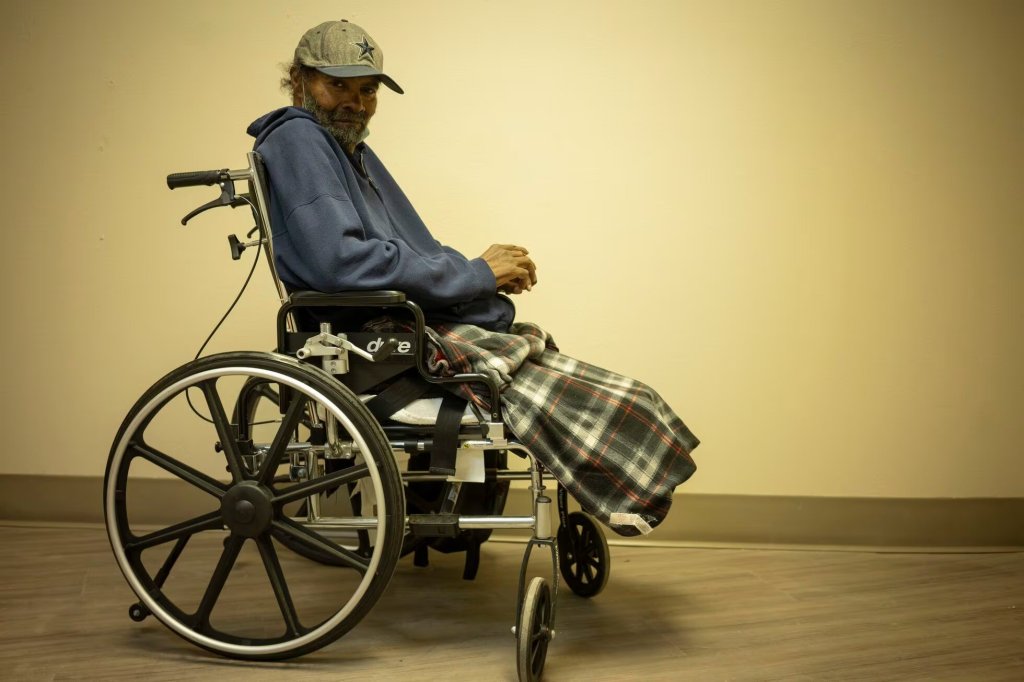
When El País finally met him in 2021, Thomas was toothless, an amputee, penniless, and yet seemingly at peace. He claimed never to have taken drugs, said he had lost his ID upon returning to the U.S., and never sought help. He drifted between Texas and Mexico, taking odd jobs. He spent time in prison. Homeless, he lost both legs in 2005, as harsh Texas winters combined with a skin infection took their toll.
What remains of Charles Thomas is neither a cautionary tale nor a redemption story. There is no lesson neatly wrapped at the end of his journey. Only the faint trace of a gifted player who burned briefly, vanished completely, and resurfaced decades later by accident, not design.
Basketball gave him a name in Europe, and then quietly moved on. Life did the same. When he was finally found, it was not to reclaim a legacy, but simply to confirm that he had survived. Sometimes, that is all that remains.
 Deep Bench Chronicles
Leave a comment